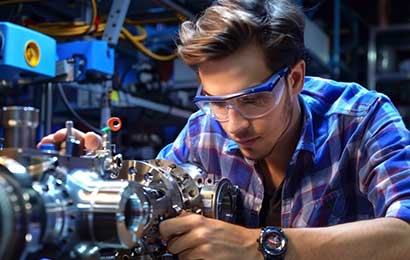
Research Publications at Imperial College of Engineering reflect the institution’s strong commitment to academic excellence, innovation, and knowledge creation. Faculty members and students actively contribute to national and international journals, conferences, seminars, and technical symposiums across various engineering disciplines.
The institution encourages high-quality research in core and emerging areas such as Artificial Intelligence, Data Science, Electronics & Communication, Electrical Engineering, Mechanical Engineering, Civil Engineering, Renewable Energy, and interdisciplinary technologies. Publications are aimed at addressing real-world challenges, advancing scientific knowledge, and supporting sustainable development.
Faculty members regularly publish research articles in peer-reviewed journals indexed in reputed databases. They also present technical papers at national and international conferences, workshops, and symposiums to share innovative ideas and collaborate with researchers from academia and industry.
Students are motivated to participate in research activities under faculty mentorship. Final-year projects are often developed into conference papers and journal publications. The institution promotes a research-oriented mindset by organizing workshops on research methodology, academic writing, plagiarism awareness, and publication ethics.
The Research & Development Cell provides guidance in selecting appropriate journals, preparing manuscripts, ensuring quality standards, and adhering to ethical publication practices. Special emphasis is placed on originality, proper citation, and compliance with intellectual property guidelines.
Imperial College of Engineering also encourages collaborative research with industries, research organizations, and academic institutions. Joint publications and interdisciplinary research initiatives strengthen the institution’s academic profile and industry relevance.
v
Through consistent efforts in research publications, Imperial College of Engineering aims to enhance its academic reputation, contribute to technological advancement, and create a vibrant research ecosystem that benefits students, faculty, industry, and society.



Curriculum aligned with emerging technologies, AI, and industry.
Strong emphasis on hands-on projects, research, and problem-solving.
Dedicated focus on artificial intelligence, data-driven learning, and automation.
Practical training, internships, and career-readiness programs.
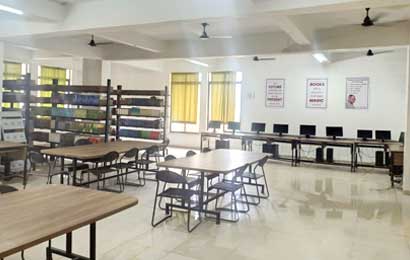
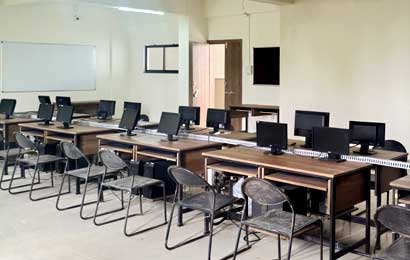
Modern laboratories, smart classrooms, and learning resources.
Qualified educators with academic and industry expertise.
Equal focus on technical skills, soft skills, and professional ethics.
Structured guidance to help students transition from campus to industry.

Imperial College of Engineering gave me more than just a degree. The practical labs, supportive faculty, and placement training helped me build confidence and real technical skills. I feel industry-ready today.”.

The learning environment at Imperial College is very positive. The hands-on projects, workshops, and guidance from professors helped me understand complex concepts easily and practically.
The workshops and laboratories are well-equipped, and the teaching approach is very practical. The college focuses on skill development, which helped me during internships and interviews.