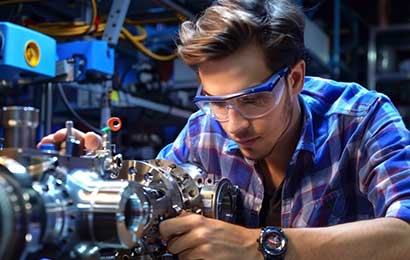
The Diploma in Mechanical Engineering at Imperial College of Engineering is a skill-focused technical program designed to prepare students for careers in manufacturing, production, maintenance, and industrial engineering sectors. The program provides a strong foundation in mechanical principles along with extensive hands-on training to ensure industry readiness.
The curriculum covers core subjects such as Engineering Mechanics, Thermodynamics, Fluid Mechanics, Manufacturing Processes, Strength of Materials, Theory of Machines, Machine Drawing, Workshop Technology, and Industrial Engineering basics. Students gain a clear understanding of how mechanical systems are designed, manufactured, and maintained in real-world industrial environments.
Practical training is a key highlight of the diploma program. Students work in fully equipped workshops and laboratories including Machine Shop, Welding Shop, Fitting Shop, CAD/CAM Lab, Thermal Engineering Lab, and Material Testing Lab. Through practical sessions, mini projects, and industry-oriented assignments, students develop technical skills in machining, fabrication, design drafting, and system analysis.
The department also introduces students to modern technologies such as CNC machining, 3D printing, robotics basics, automation systems, and renewable energy applications. Industrial visits, technical workshops, and expert sessions provide exposure to current manufacturing practices and emerging industry trends.
In addition to technical skills, the program emphasizes problem-solving ability, teamwork, workplace discipline, and communication skills. Placement training and skill development programs are integrated to enhance employability and prepare students for competitive job opportunities.
Graduates of the Diploma in Mechanical Engineering can pursue careers as Junior Engineers, Maintenance Technicians, Production Supervisors, Quality Control Inspectors, CAD Technicians, and Machine Operators in manufacturing industries, automobile companies, fabrication units, and government sectors. Students may also continue their education through lateral entry into B.Tech Mechanical Engineering or pursue advanced technical certifications.
The Diploma in Mechanical Engineering at Imperial College of Engineering is committed to developing skilled, practical-oriented, and industry-ready professionals who contribute effectively to industrial growth and technological advancement.
The Diploma in Mechanical Engineering at Imperial College of Engineering is a skill-focused technical program designed to prepare students for careers in manufacturing, production, maintenance, and industrial engineering sectors. The program provides a strong foundation in mechanical principles along with extensive hands-on training to ensure industry readiness.
The curriculum covers core subjects such as Engineering Mechanics, Thermodynamics, Fluid Mechanics, Manufacturing Processes, Strength of Materials, Theory of Machines, Machine Drawing, Workshop Technology, and Industrial Engineering basics. Students gain a clear understanding of how mechanical systems are designed, manufactured, and maintained in real-world industrial environments.
Practical training is a key highlight of the diploma program. Students work in fully equipped workshops and laboratories including Machine Shop, Welding Shop, Fitting Shop, CAD/CAM Lab, Thermal Engineering Lab, and Material Testing Lab. Through practical sessions, mini projects, and industry-oriented assignments, students develop technical skills in machining, fabrication, design drafting, and system analysis.
The department also introduces students to modern technologies such as CNC machining, 3D printing, robotics basics, automation systems, and renewable energy applications. Industrial visits, technical workshops, and expert sessions provide exposure to current manufacturing practices and emerging industry trends.
In addition to technical skills, the program emphasizes problem-solving ability, teamwork, workplace discipline, and communication skills. Placement training and skill development programs are integrated to enhance employability and prepare students for competitive job opportunities.
Graduates of the Diploma in Mechanical Engineering can pursue careers as Junior Engineers, Maintenance Technicians, Production Supervisors, Quality Control Inspectors, CAD Technicians, and Machine Operators in manufacturing industries, automobile companies, fabrication units, and government sectors. Students may also continue their education through lateral entry into B.Tech Mechanical Engineering or pursue advanced technical certifications.
The Diploma in Mechanical Engineering at Imperial College of Engineering is committed to developing skilled, practical-oriented, and industry-ready professionals who contribute effectively to industrial growth and technological advancement.
The Diploma in Mechanical Engineering at Imperial College of Engineering is a skill-focused technical program designed to prepare students for careers in manufacturing, production, maintenance, and industrial engineering sectors. The program provides a strong foundation in mechanical principles along with extensive hands-on training to ensure industry readiness.
The curriculum covers core subjects such as Engineering Mechanics, Thermodynamics, Fluid Mechanics, Manufacturing Processes, Strength of Materials, Theory of Machines, Machine Drawing, Workshop Technology, and Industrial Engineering basics. Students gain a clear understanding of how mechanical systems are designed, manufactured, and maintained in real-world industrial environments.
Practical training is a key highlight of the diploma program. Students work in fully equipped workshops and laboratories including Machine Shop, Welding Shop, Fitting Shop, CAD/CAM Lab, Thermal Engineering Lab, and Material Testing Lab. Through practical sessions, mini projects, and industry-oriented assignments, students develop technical skills in machining, fabrication, design drafting, and system analysis.
The department also introduces students to modern technologies such as CNC machining, 3D printing, robotics basics, automation systems, and renewable energy applications. Industrial visits, technical workshops, and expert sessions provide exposure to current manufacturing practices and emerging industry trends.
In addition to technical skills, the program emphasizes problem-solving ability, teamwork, workplace discipline, and communication skills. Placement training and skill development programs are integrated to enhance employability and prepare students for competitive job opportunities.
Graduates of the Diploma in Mechanical Engineering can pursue careers as Junior Engineers, Maintenance Technicians, Production Supervisors, Quality Control Inspectors, CAD Technicians, and Machine Operators in manufacturing industries, automobile companies, fabrication units, and government sectors. Students may also continue their education through lateral entry into B.Tech Mechanical Engineering or pursue advanced technical certifications.
The Diploma in Mechanical Engineering at Imperial College of Engineering is committed to developing skilled, practical-oriented, and industry-ready professionals who contribute effectively to industrial growth and technological advancement.
The Diploma in Mechanical Engineering at Imperial College of Engineering is a skill-focused technical program designed to prepare students for careers in manufacturing, production, maintenance, and industrial engineering sectors. The program provides a strong foundation in mechanical principles along with extensive hands-on training to ensure industry readiness.
The curriculum covers core subjects such as Engineering Mechanics, Thermodynamics, Fluid Mechanics, Manufacturing Processes, Strength of Materials, Theory of Machines, Machine Drawing, Workshop Technology, and Industrial Engineering basics. Students gain a clear understanding of how mechanical systems are designed, manufactured, and maintained in real-world industrial environments.
Practical training is a key highlight of the diploma program. Students work in fully equipped workshops and laboratories including Machine Shop, Welding Shop, Fitting Shop, CAD/CAM Lab, Thermal Engineering Lab, and Material Testing Lab. Through practical sessions, mini projects, and industry-oriented assignments, students develop technical skills in machining, fabrication, design drafting, and system analysis.
The department also introduces students to modern technologies such as CNC machining, 3D printing, robotics basics, automation systems, and renewable energy applications. Industrial visits, technical workshops, and expert sessions provide exposure to current manufacturing practices and emerging industry trends.
In addition to technical skills, the program emphasizes problem-solving ability, teamwork, workplace discipline, and communication skills. Placement training and skill development programs are integrated to enhance employability and prepare students for competitive job opportunities.
Graduates of the Diploma in Mechanical Engineering can pursue careers as Junior Engineers, Maintenance Technicians, Production Supervisors, Quality Control Inspectors, CAD Technicians, and Machine Operators in manufacturing industries, automobile companies, fabrication units, and government sectors. Students may also continue their education through lateral entry into B.Tech Mechanical Engineering or pursue advanced technical certifications.
The Diploma in Mechanical Engineering at Imperial College of Engineering is committed to developing skilled, practical-oriented, and industry-ready professionals who contribute effectively to industrial growth and technological advancement.
The Diploma in Mechanical Engineering at Imperial College of Engineering is a skill-focused technical program designed to prepare students for careers in manufacturing, production, maintenance, and industrial engineering sectors. The program provides a strong foundation in mechanical principles along with extensive hands-on training to ensure industry readiness.
The curriculum covers core subjects such as Engineering Mechanics, Thermodynamics, Fluid Mechanics, Manufacturing Processes, Strength of Materials, Theory of Machines, Machine Drawing, Workshop Technology, and Industrial Engineering basics. Students gain a clear understanding of how mechanical systems are designed, manufactured, and maintained in real-world industrial environments.
Practical training is a key highlight of the diploma program. Students work in fully equipped workshops and laboratories including Machine Shop, Welding Shop, Fitting Shop, CAD/CAM Lab, Thermal Engineering Lab, and Material Testing Lab. Through practical sessions, mini projects, and industry-oriented assignments, students develop technical skills in machining, fabrication, design drafting, and system analysis.
The department also introduces students to modern technologies such as CNC machining, 3D printing, robotics basics, automation systems, and renewable energy applications. Industrial visits, technical workshops, and expert sessions provide exposure to current manufacturing practices and emerging industry trends.
In addition to technical skills, the program emphasizes problem-solving ability, teamwork, workplace discipline, and communication skills. Placement training and skill development programs are integrated to enhance employability and prepare students for competitive job opportunities.
Graduates of the Diploma in Mechanical Engineering can pursue careers as Junior Engineers, Maintenance Technicians, Production Supervisors, Quality Control Inspectors, CAD Technicians, and Machine Operators in manufacturing industries, automobile companies, fabrication units, and government sectors. Students may also continue their education through lateral entry into B.Tech Mechanical Engineering or pursue advanced technical certifications.
The Diploma in Mechanical Engineering at Imperial College of Engineering is committed to developing skilled, practical-oriented, and industry-ready professionals who contribute effectively to industrial growth and technological advancement.
The Diploma in Mechanical Engineering at Imperial College of Engineering is a skill-focused technical program designed to prepare students for careers in manufacturing, production, maintenance, and industrial engineering sectors. The program provides a strong foundation in mechanical principles along with extensive hands-on training to ensure industry readiness.
The curriculum covers core subjects such as Engineering Mechanics, Thermodynamics, Fluid Mechanics, Manufacturing Processes, Strength of Materials, Theory of Machines, Machine Drawing, Workshop Technology, and Industrial Engineering basics. Students gain a clear understanding of how mechanical systems are designed, manufactured, and maintained in real-world industrial environments.
Practical training is a key highlight of the diploma program. Students work in fully equipped workshops and laboratories including Machine Shop, Welding Shop, Fitting Shop, CAD/CAM Lab, Thermal Engineering Lab, and Material Testing Lab. Through practical sessions, mini projects, and industry-oriented assignments, students develop technical skills in machining, fabrication, design drafting, and system analysis.
The department also introduces students to modern technologies such as CNC machining, 3D printing, robotics basics, automation systems, and renewable energy applications. Industrial visits, technical workshops, and expert sessions provide exposure to current manufacturing practices and emerging industry trends.
In addition to technical skills, the program emphasizes problem-solving ability, teamwork, workplace discipline, and communication skills. Placement training and skill development programs are integrated to enhance employability and prepare students for competitive job opportunities.
Graduates of the Diploma in Mechanical Engineering can pursue careers as Junior Engineers, Maintenance Technicians, Production Supervisors, Quality Control Inspectors, CAD Technicians, and Machine Operators in manufacturing industries, automobile companies, fabrication units, and government sectors. Students may also continue their education through lateral entry into B.Tech Mechanical Engineering or pursue advanced technical certifications.
The Diploma in Mechanical Engineering at Imperial College of Engineering is committed to developing skilled, practical-oriented, and industry-ready professionals who contribute effectively to industrial growth and technological advancement.
The Diploma in Mechanical Engineering at Imperial College of Engineering is a skill-focused technical program designed to prepare students for careers in manufacturing, production, maintenance, and industrial engineering sectors. The program provides a strong foundation in mechanical principles along with extensive hands-on training to ensure industry readiness.
The curriculum covers core subjects such as Engineering Mechanics, Thermodynamics, Fluid Mechanics, Manufacturing Processes, Strength of Materials, Theory of Machines, Machine Drawing, Workshop Technology, and Industrial Engineering basics. Students gain a clear understanding of how mechanical systems are designed, manufactured, and maintained in real-world industrial environments.
Practical training is a key highlight of the diploma program. Students work in fully equipped workshops and laboratories including Machine Shop, Welding Shop, Fitting Shop, CAD/CAM Lab, Thermal Engineering Lab, and Material Testing Lab. Through practical sessions, mini projects, and industry-oriented assignments, students develop technical skills in machining, fabrication, design drafting, and system analysis.
The department also introduces students to modern technologies such as CNC machining, 3D printing, robotics basics, automation systems, and renewable energy applications. Industrial visits, technical workshops, and expert sessions provide exposure to current manufacturing practices and emerging industry trends.
In addition to technical skills, the program emphasizes problem-solving ability, teamwork, workplace discipline, and communication skills. Placement training and skill development programs are integrated to enhance employability and prepare students for competitive job opportunities.
Graduates of the Diploma in Mechanical Engineering can pursue careers as Junior Engineers, Maintenance Technicians, Production Supervisors, Quality Control Inspectors, CAD Technicians, and Machine Operators in manufacturing industries, automobile companies, fabrication units, and government sectors. Students may also continue their education through lateral entry into B.Tech Mechanical Engineering or pursue advanced technical certifications.
The Diploma in Mechanical Engineering at Imperial College of Engineering is committed to developing skilled, practical-oriented, and industry-ready professionals who contribute effectively to industrial growth and technological advancement.
The Diploma in Mechanical Engineering at Imperial College of Engineering is a skill-focused technical program designed to prepare students for careers in manufacturing, production, maintenance, and industrial engineering sectors. The program provides a strong foundation in mechanical principles along with extensive hands-on training to ensure industry readiness.
The curriculum covers core subjects such as Engineering Mechanics, Thermodynamics, Fluid Mechanics, Manufacturing Processes, Strength of Materials, Theory of Machines, Machine Drawing, Workshop Technology, and Industrial Engineering basics. Students gain a clear understanding of how mechanical systems are designed, manufactured, and maintained in real-world industrial environments.
Practical training is a key highlight of the diploma program. Students work in fully equipped workshops and laboratories including Machine Shop, Welding Shop, Fitting Shop, CAD/CAM Lab, Thermal Engineering Lab, and Material Testing Lab. Through practical sessions, mini projects, and industry-oriented assignments, students develop technical skills in machining, fabrication, design drafting, and system analysis.
The department also introduces students to modern technologies such as CNC machining, 3D printing, robotics basics, automation systems, and renewable energy applications. Industrial visits, technical workshops, and expert sessions provide exposure to current manufacturing practices and emerging industry trends.
In addition to technical skills, the program emphasizes problem-solving ability, teamwork, workplace discipline, and communication skills. Placement training and skill development programs are integrated to enhance employability and prepare students for competitive job opportunities.
Graduates of the Diploma in Mechanical Engineering can pursue careers as Junior Engineers, Maintenance Technicians, Production Supervisors, Quality Control Inspectors, CAD Technicians, and Machine Operators in manufacturing industries, automobile companies, fabrication units, and government sectors. Students may also continue their education through lateral entry into B.Tech Mechanical Engineering or pursue advanced technical certifications.
The Diploma in Mechanical Engineering at Imperial College of Engineering is committed to developing skilled, practical-oriented, and industry-ready professionals who contribute effectively to industrial growth and technological advancement.
The Diploma in Mechanical Engineering at Imperial College of Engineering is a skill-focused technical program designed to prepare students for careers in manufacturing, production, maintenance, and industrial engineering sectors. The program provides a strong foundation in mechanical principles along with extensive hands-on training to ensure industry readiness.
The curriculum covers core subjects such as Engineering Mechanics, Thermodynamics, Fluid Mechanics, Manufacturing Processes, Strength of Materials, Theory of Machines, Machine Drawing, Workshop Technology, and Industrial Engineering basics. Students gain a clear understanding of how mechanical systems are designed, manufactured, and maintained in real-world industrial environments.
Practical training is a key highlight of the diploma program. Students work in fully equipped workshops and laboratories including Machine Shop, Welding Shop, Fitting Shop, CAD/CAM Lab, Thermal Engineering Lab, and Material Testing Lab. Through practical sessions, mini projects, and industry-oriented assignments, students develop technical skills in machining, fabrication, design drafting, and system analysis.
The department also introduces students to modern technologies such as CNC machining, 3D printing, robotics basics, automation systems, and renewable energy applications. Industrial visits, technical workshops, and expert sessions provide exposure to current manufacturing practices and emerging industry trends.
In addition to technical skills, the program emphasizes problem-solving ability, teamwork, workplace discipline, and communication skills. Placement training and skill development programs are integrated to enhance employability and prepare students for competitive job opportunities.
Graduates of the Diploma in Mechanical Engineering can pursue careers as Junior Engineers, Maintenance Technicians, Production Supervisors, Quality Control Inspectors, CAD Technicians, and Machine Operators in manufacturing industries, automobile companies, fabrication units, and government sectors. Students may also continue their education through lateral entry into B.Tech Mechanical Engineering or pursue advanced technical certifications.
The Diploma in Mechanical Engineering at Imperial College of Engineering is committed to developing skilled, practical-oriented, and industry-ready professionals who contribute effectively to industrial growth and technological advancement.
The Diploma in Mechanical Engineering at Imperial College of Engineering is a skill-focused technical program designed to prepare students for careers in manufacturing, production, maintenance, and industrial engineering sectors. The program provides a strong foundation in mechanical principles along with extensive hands-on training to ensure industry readiness.
The curriculum covers core subjects such as Engineering Mechanics, Thermodynamics, Fluid Mechanics, Manufacturing Processes, Strength of Materials, Theory of Machines, Machine Drawing, Workshop Technology, and Industrial Engineering basics. Students gain a clear understanding of how mechanical systems are designed, manufactured, and maintained in real-world industrial environments.
Practical training is a key highlight of the diploma program. Students work in fully equipped workshops and laboratories including Machine Shop, Welding Shop, Fitting Shop, CAD/CAM Lab, Thermal Engineering Lab, and Material Testing Lab. Through practical sessions, mini projects, and industry-oriented assignments, students develop technical skills in machining, fabrication, design drafting, and system analysis.
The department also introduces students to modern technologies such as CNC machining, 3D printing, robotics basics, automation systems, and renewable energy applications. Industrial visits, technical workshops, and expert sessions provide exposure to current manufacturing practices and emerging industry trends.
In addition to technical skills, the program emphasizes problem-solving ability, teamwork, workplace discipline, and communication skills. Placement training and skill development programs are integrated to enhance employability and prepare students for competitive job opportunities.
Graduates of the Diploma in Mechanical Engineering can pursue careers as Junior Engineers, Maintenance Technicians, Production Supervisors, Quality Control Inspectors, CAD Technicians, and Machine Operators in manufacturing industries, automobile companies, fabrication units, and government sectors. Students may also continue their education through lateral entry into B.Tech Mechanical Engineering or pursue advanced technical certifications.
The Diploma in Mechanical Engineering at Imperial College of Engineering is committed to developing skilled, practical-oriented, and industry-ready professionals who contribute effectively to industrial growth and technological advancement.
The Diploma in Mechanical Engineering at Imperial College of Engineering is a skill-focused technical program designed to prepare students for careers in manufacturing, production, maintenance, and industrial engineering sectors. The program provides a strong foundation in mechanical principles along with extensive hands-on training to ensure industry readiness.
The curriculum covers core subjects such as Engineering Mechanics, Thermodynamics, Fluid Mechanics, Manufacturing Processes, Strength of Materials, Theory of Machines, Machine Drawing, Workshop Technology, and Industrial Engineering basics. Students gain a clear understanding of how mechanical systems are designed, manufactured, and maintained in real-world industrial environments.
Practical training is a key highlight of the diploma program. Students work in fully equipped workshops and laboratories including Machine Shop, Welding Shop, Fitting Shop, CAD/CAM Lab, Thermal Engineering Lab, and Material Testing Lab. Through practical sessions, mini projects, and industry-oriented assignments, students develop technical skills in machining, fabrication, design drafting, and system analysis.
The department also introduces students to modern technologies such as CNC machining, 3D printing, robotics basics, automation systems, and renewable energy applications. Industrial visits, technical workshops, and expert sessions provide exposure to current manufacturing practices and emerging industry trends.
In addition to technical skills, the program emphasizes problem-solving ability, teamwork, workplace discipline, and communication skills. Placement training and skill development programs are integrated to enhance employability and prepare students for competitive job opportunities.
Graduates of the Diploma in Mechanical Engineering can pursue careers as Junior Engineers, Maintenance Technicians, Production Supervisors, Quality Control Inspectors, CAD Technicians, and Machine Operators in manufacturing industries, automobile companies, fabrication units, and government sectors. Students may also continue their education through lateral entry into B.Tech Mechanical Engineering or pursue advanced technical certifications.
The Diploma in Mechanical Engineering at Imperial College of Engineering is committed to developing skilled, practical-oriented, and industry-ready professionals who contribute effectively to industrial growth and technological advancement.


Curriculum aligned with emerging technologies, AI, and industry.
Strong emphasis on hands-on projects, research, and problem-solving.
Dedicated focus on artificial intelligence, data-driven learning, and automation.
Practical training, internships, and career-readiness programs.
Modern laboratories, smart classrooms, and learning resources.
Qualified educators with academic and industry expertise.
Equal focus on technical skills, soft skills, and professional ethics.
Structured guidance to help students transition from campus to industry.

Imperial College of Engineering gave me more than just a degree. The practical labs, supportive faculty, and placement training helped me build confidence and real technical skills. I feel industry-ready today.”.

The learning environment at Imperial College is very positive. The hands-on projects, workshops, and guidance from professors helped me understand complex concepts easily and practically.
The workshops and laboratories are well-equipped, and the teaching approach is very practical. The college focuses on skill development, which helped me during internships and interviews.